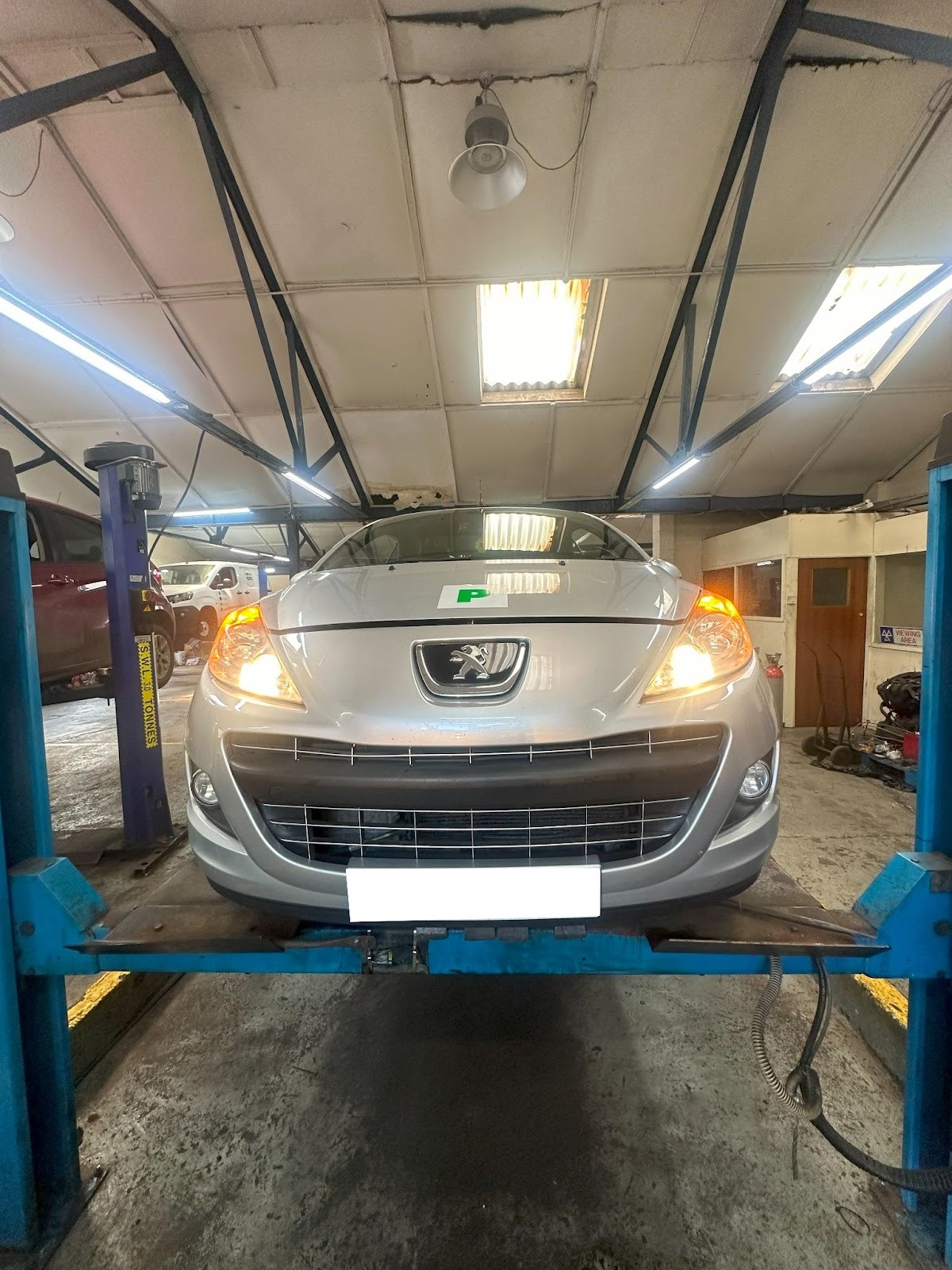
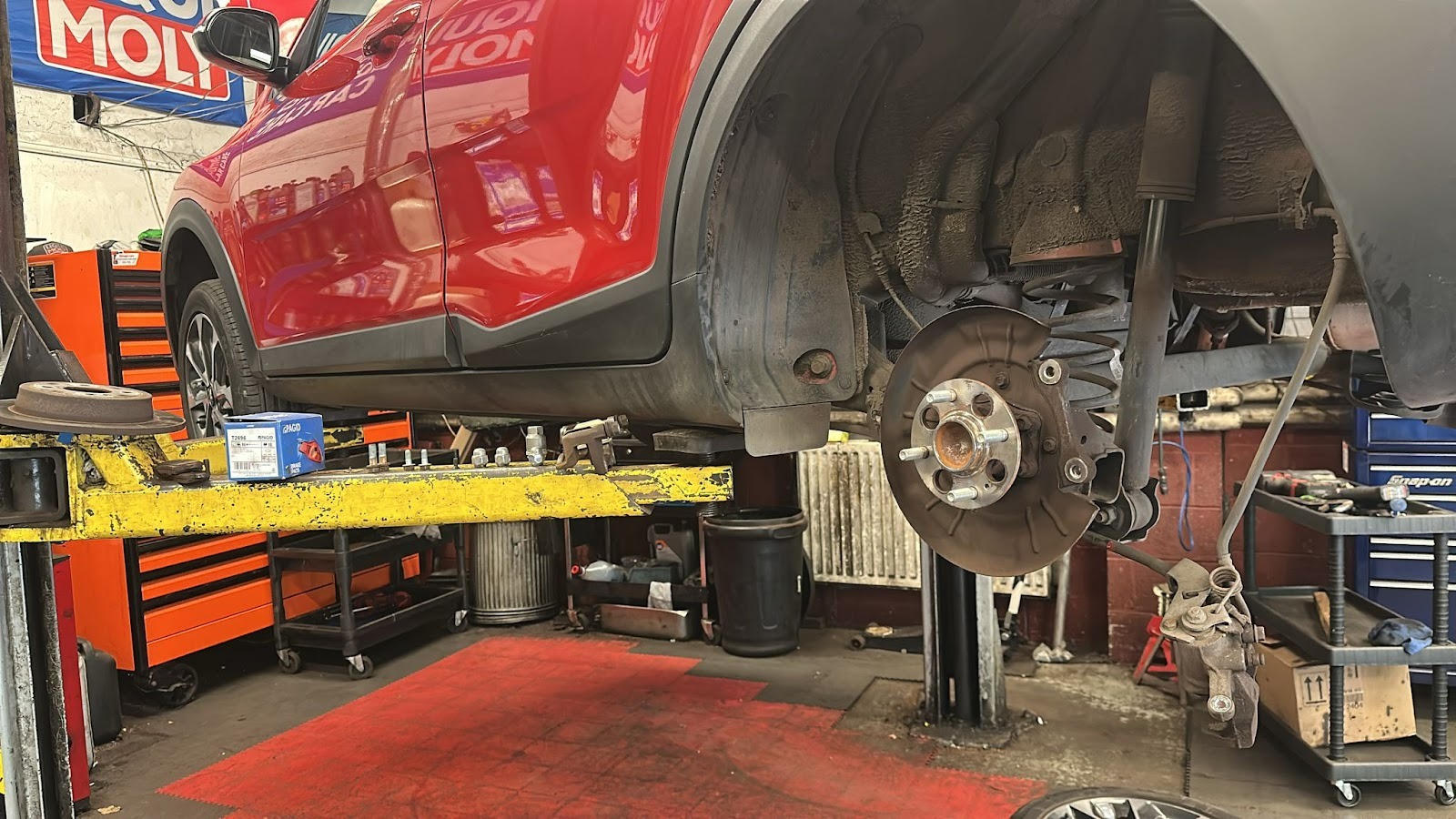
Most MOT failures do not come from breakdowns. They build slowly from minor issues that have been present for months. A light noise. A mild advisory on the MOT sheet. A tiny vibration you meant to get checked but never did. Then MOT day arrives, and the bill suddenly feels painful.
At local garages like TJ Services in Fleet, Hampshire, technicians see this pattern daily. What this really means is simple. Fixing the right minor problems early almost always costs less. It also keeps your car safer and removes a lot of last-minute stress.
Why Early MOT Repairs Save More Than You Think?
An MOT test checks whether your car meets minimum legal safety and emissions standards. It does not tell you how close a part is to failing once you drive away. That is the role of the advisory notes.
Advisories are your early warning system. They tell you a component is worn, weakened, or close to the limit. If you ignore them, you are lining yourself up for a fail at the next test, a higher repair bill, more labour time, a retest fee and possibly a breakdown or recovery.
When you act while something is still “minor”, the job usually needs fewer parts, less labour and no emergency pricing. That is where the real saving sits.
1. Brake Pads, Discs And Weak Handbrakes
Brakes are one of the most common MOT failure areas. The problem is that many drivers only react when they hear grinding or feel strong vibration through the pedal. By then, the damage is already moving beyond the pads.
Early warnings are subtle. You might see an advisory from your last MOT in Fleet saying the brake pads are wearing thin, notice the handbrake lever needing more travel than usual, or hear a faint squeal under light braking. At this stage, the repair is usually limited to new pads and maybe front discs. The job is simple, controlled and can be planned.
If you keep driving, pads can wear down to bare backing plates. Discs become scored or warped. Calipers can overheat or stick. Brake balance can drop below the MOT standard. Handbrake cables stretch, and the whole mechanism can become weak. What could have been a straightforward job turns into a full front or rear brake overhaul with a much larger invoice.
Replace the pads early, and you protect the discs. Sort the handbrake efficiency when it first becomes an issue, and you avoid more complex cable and mechanism work later. You also protect yourself if the vehicle is inspected following an accident.
2. Tyres Near The Legal Limit And Sidewall Damage
Tyres look simple, but they cause a lot of MOT fails. Many people only change tyres when the tread hits the legal minimum. By that time, the tyre has already given most of its useful life.
The early signs are easy to miss. An advisory may mention tread close to the limit. You may spot small cracks on the sidewall, or notice that one edge of the tread is wearing quicker than the rest. When you act at this stage, you can still choose a good brand, compare prices properly and book a fitting slot at a sensible time.
Wait too long and the risks climb. You can be stopped and fined for illegal tyres, pick up penalty points, suffer a blowout, or end up paying for an emergency replacement at roadside rates. Uneven wear also hints at poor alignment or a suspension issue. Ignore that and even a brand-new tyre can be ruined in a few thousand miles.
Many drivers who act early use independent specialists such as TJ Services Fleet for a combined tyre and inspection visit. When you catch uneven tyre wear early, you can have the alignment and suspension checked in the same appointment. That single decision can break the cycle of premature tyre replacements that slowly drain your budget.
Changing tyres before they reach crisis point helps you avoid fines, improves grip, protects your wheels and reduces the chance of extra suspension damage caused by vibration.
3. Suspension Bushes, Springs And Shock Absorbers
Suspension faults often feel harmless in the beginning. A gentle knock over speed bumps. A slight float at motorway speeds. The car still drives straight, so the problem gets filed under “do it later”.
Your MOT sheet might show an advisory for a worn suspension bush, corrosion starting on a coil spring or a little more bounce than expected when the car is tested. At that moment, usually one main component is responsible and the job is still contained.
If you ignore it, the wear spreads. Tyres start wearing unevenly. Steering geometry drifts out of line. Braking distances increase because the tyres cannot stay planted properly. Shocks work harder and wear faster. Springs can eventually snap, sometimes cutting into a tyre or dropping a corner of the car unexpectedly.
Replacing a single bush or spring while the problem is young is far cheaper than rebuilding an entire corner of the suspension later. Acting early also protects tyres, steering joints and braking performance in one go.
4. Small Exhaust Leaks And Early Emissions Issues
Exhaust and emissions problems rarely start with a roaring noise. They often begin with a faint blowing sound, a small patch of corrosion or an advisory that the exhaust is starting to weaken. Emissions might be close to the limit but still passing.
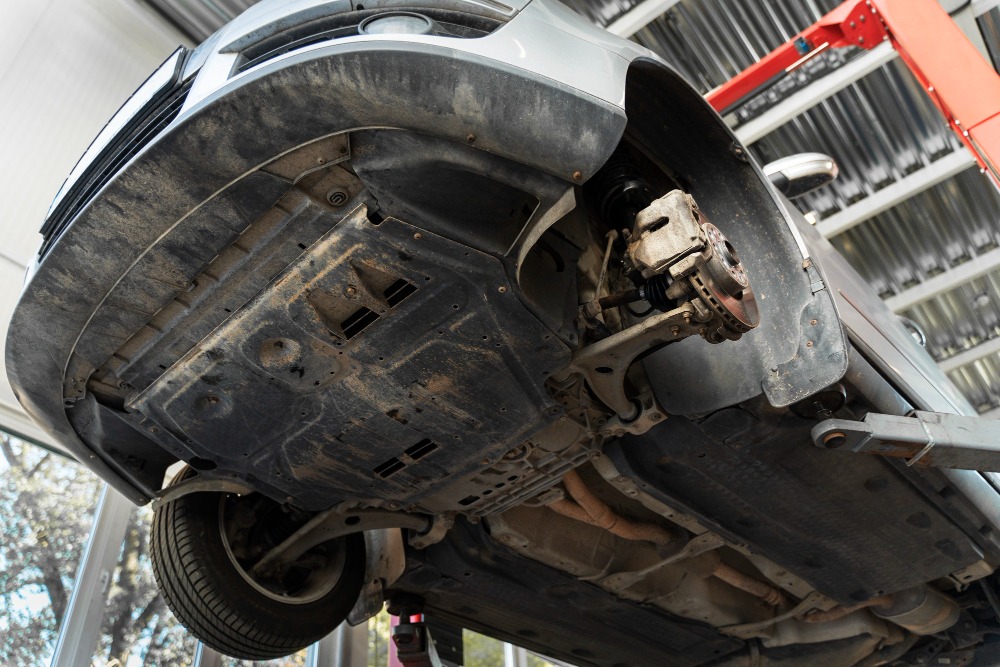
At this early stage, the fix can be very straightforward. A clamp, a short section of pipe, a hanger, or an exhaust mount may be all that is needed. The car is quiet, clean and legal again without major cost.
Leave it, and you give heat, fumes and vibration time to work. A small leak grows and starts to affect oxygen sensor readings. The catalytic converter runs hotter, wears faster and can eventually fail. Fuel consumption creeps up as the engine management system tries to compensate. Emissions climb until the car fails the test outright.
A damaged catalytic converter can cost several times more than a simple joint or hanger repair. By dealing with small leaks and marginal emissions early, you protect the cat, protect the sensors and keep both fuel bills and MOT readings under control.
5. Windscreen Chips, Wipers And Driver Visibility
Visibility is one of the strictest MOT areas. Many fails happen because of things that are incredibly cheap to fix if you do them early.
The early signs are familiar. A small stone chip appears in the driver’s line of sight. Wipers start to smear instead of clearing cleanly. Washer jets look weak or spray in odd directions. Day to day, the car still seems usable, so drivers often put it off.
If you wait, that tiny chip can grow into a long crack when temperatures change. Worn wiper blades can scratch the glass. A failing washer pump can leave you unable to clear salt and spray on a wet motorway. Now you are not just replacing blades or repairing a chip. You may need a new windscreen and new washer hardware as well, plus an MOT retest.
Chip repairs are quick and often covered by insurance. Fresh wiper blades cost very little. Sorting weak washer jets is usually simple. Fixing these items early saves you from far larger glass and visibility bills later on.
6. Minor Fluid Leaks And Early Brake Pipe Corrosion
Fluid leaks and early corrosion often appear on MOT certificates in very soft language. You might see “slight seepage” or “light corrosion” written next to brake pipes, shocks or engine areas. That wording makes it easy to delay the work.
Early on, you may see a light oil mist under the engine or gearbox, brake pipes with surface rust but no deep pitting, or damp but not dripping shock absorbers. Repairs at this stage tend to involve seals, gaskets, cleaning, protective coatings or short sections of pipe.
Leave it, and things rarely stay mild. Brake pipe corrosion can deepen and eventually lead to a leak or sudden failure. Seals can suddenly let go and dump oil or fluid. Escaping oil can soften rubber mounts, drive belts and wiring. What started as a mild advisory can become a serious defect that fails the MOT and immobilises the car.
Fixing small leaks and protecting lightly corroded pipes when they are first spotted keeps the job local and predictable. Waiting often means bigger sections of pipe, more time on the ramp and emergency labour rates.
7. Wheel Alignment And Early Steering Play
Alignment problems do not always show up as direct MOT failures, at least not at first. Instead, they quietly cost you money through wasted tyres and extra wear on steering parts.
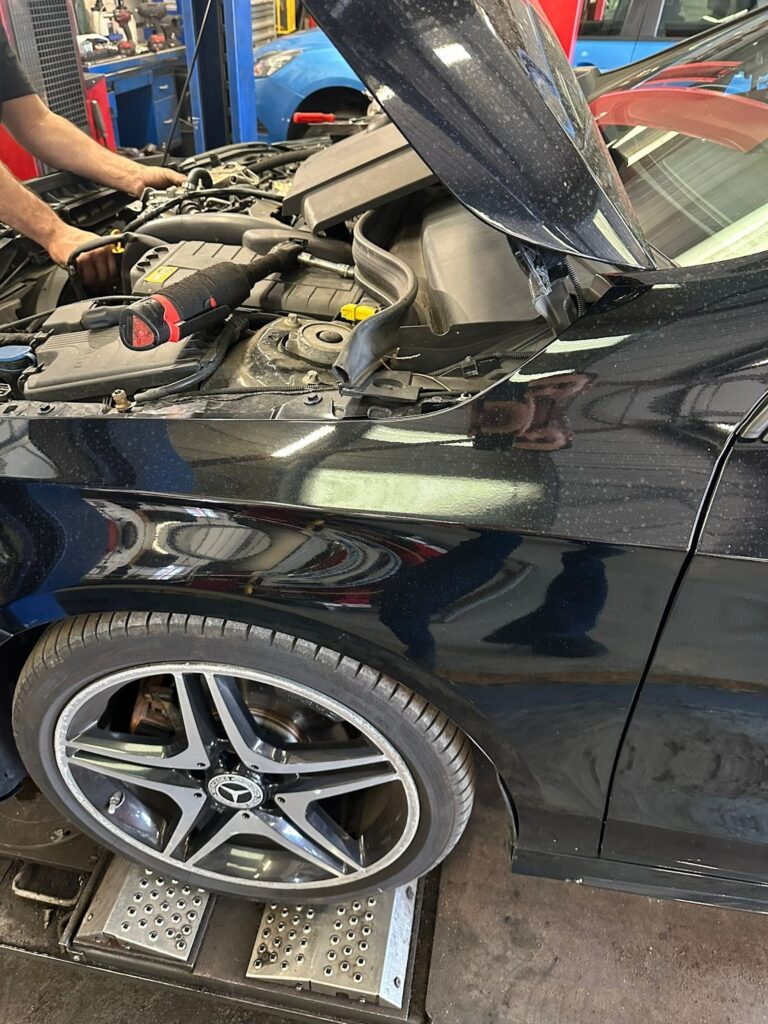
You might notice the steering feeling a little vague around the centre, the car drifting slightly to one side on a straight road, or the inner or outer edges of your tyres wearing faster than the middle. A mechanic might mention slight play in a track rod end or ball joint. These are all early signals.
If you act quickly, the solution is usually a standard alignment and perhaps a single steering joint. Costs stay modest, and the car drives more precisely.
Ignore it, and the pattern changes. New tyres can wear prematurely on their shoulders, reducing their normal lifespan by a fraction. Steering joints are showing increasing play. Suspension geometry moves further out of range. Eventually, the car can fail its MOT for unsafe steering play or poor handling, and you end up buying joints, tyres and an alignment all in one go.
A simple alignment check, done at the right time, can add thousands of miles to tyre life. Replacing one small joint early often prevents a chain reaction of wear across the front suspension.
How MOT History Helps You Predict Future Costs
Your MOT history is more than a pass or fail record. It is a timeline of how your car is ageing.
When you see the same advisory repeated year after year, it usually means that part is wearing out faster than normal, or another hidden issue is stressing it. That item is highly likely to fail if you continue to ignore it.
Use that history as a kind of financial forecast. Plan repairs ahead of the next test. Combine jobs to reduce labour time. Avoid last-minute panic work. Protect the car’s resale value by demonstrating that advisories were addressed, not just recorded.
MOT history is not only about legal compliance. Treated properly, it becomes one of the best tools you have for controlling running costs.
A Smarter MOT Strategy That Saves Money Long Term
Drivers who spend less over the life of a car tend to share a few habits. They treat advisories as a to-do list rather than decoration. They often combine MOT and servicing, so worn parts are collected and repaired in a single visit. They act when a part is showing clear wear, not when it has already failed. They monitor tyres, brakes, wipers, and fluids rather than waiting for the garage to spot everything. And they pay close attention to any advice that appears more than once.
Independent garages and fleet specialists such as TJ Services Fleet see the same pattern every day. The drivers who come out ahead are not the ones chasing the cheapest test fee. They use early MOT repairs to prevent large, unexpected invoices later.
Final Thoughts
Most expensive MOT failures did not start as big problems. They started as small warnings that were easy to ignore. Pads that were “fine for now”. Tyres that were “nearly legal”. A slight oil mist that was “nothing serious yet”.
The reality is that your cheapest MOT repairs almost always happen before the failure, not after it.
Fixing these seven areas early does more than protect a certificate. It protects your budget, your safety, your time and the value of your car. Treat advisories as the first chapter of the story rather than the last, and owning a car becomes a lot cheaper and a lot less stressful in the long run.
Ready to tackle those advisories? Visit TJ Services Fleet for expert MOT repairs that save you money long-term.