

An MOT test tells you whether your car is legal and safe on one particular day. Early servicing before the MOT ensures the day goes smoothly, without nasty surprises, dangerous faults, or expensive repair bills.
If you are wondering whether it is worth servicing your car before the MOT, the short answer is yes. Early servicing identifies the issues that could cause an MOT failure and fixes them on your terms, not under test lane pressure. What this really means is a higher first-time pass rate, safer driving, and fewer last minute headaches.
At Ash Road Service Centre in Aldershot, we always recommend early servicing before your MOT. It helps avoid nasty surprises on test day while keeping your car safer and smoother on the road.
Let’s break it down properly.
MOT Test vs Car Service and Why Timing Matters
Many drivers conflate the MOT with a service, so it helps to keep them separate.
An MOT is a legal inspection. It checks whether your vehicle meets the DVSA’s minimum safety and emissions standards. The tester examines brakes, suspension, tyres, lights, steering, structure, seatbelts, exhaust, and more. If something is below the legal standard, the car fails. The MOT does not include changing oil, replacing filters or tuning the engine. It simply records the condition.
If you’re booking your MOT in Aldershot, early servicing at Ash Road Service Centre ensures your car meets all DVSA safety and emissions standards.
A service is maintenance. It keeps the car in good condition by changing fluids and filters, checking key components, lubricating parts, and spotting wear before it reaches a failure point. A service also looks at items that may not yet be bad enough to fail an MOT, but are clearly heading that way.
Then timing comes in. When you service the car a few weeks before the MOT, rather than months after, you give yourself a window to identify and fix issues before they become a test failure. Instead of waiting for an MOT sheet full of reds and ambers, you start the MOT with a car that is already in good shape.
How Early Servicing Increases Your MOT Pass Rate
The main benefit is simple. A car that has been serviced shortly before its MOT is more likely to pass first time. That is not luck. It is about how MOT failures usually happen.
Most MOT failures are not sudden. They are the end result of slow wear. Brake pads grind down millimetre by millimetre. Tyres lose tread and develop cracks over many months. Suspension bushes soften and split. Bulbs fail and drivers do not always notice. Wiper blades smear more and more until visibility is poor.
Now imagine two cars.
One drives into the MOT station having not been touched for a year. The tester is the first person in months to properly look at the tyres, brakes, suspension and lights. Any worn or borderline item is now an instant problem.
The other car had a full service three weeks ago. The technician measured pad thickness, checked tread depth, replaced a couple of bulbs, topped up fluids, cleaned the brakes, looked for leaks and play, and advised on a pair of tyres that were close to the limit. The owner chose to replace those tyres on the spot. On MOT day, most of the obvious fail items have already been removed from the picture.
That is the core of the benefit. Early servicing does the heavy lifting before the MOT ever starts.
How Early Servicing Tackles the Biggest MOT Failure Areas?
It helps to look at the key areas cars fail on and how a service addresses each one.
Lights and Electrics
Lights and electrics are a classic avoidable fail. One blown headlight or number plate bulb is all it takes. During a service, a technician will walk around the vehicle and check each light. Any failures can be replaced quickly and cheaply. You avoid the embarrassment and expense of failing for something that costs less than a takeaway coffee.
Brakes
Brakes are another major category. An MOT measures brake efficiency on a rolling road and checks for leaks or severe wear. A full service goes deeper. The wheels can be removed, pads and discs visually inspected, brake fluid checked, and pipes and hoses examined for corrosion and sweating. If pads are getting thin or discs are heavily lipped, you hear about it at the service, not after a dangerous fail note on the MOT sheet.
Tyres
Tyres cause a lot of MOT trouble. The legal minimum tread is 1.6 mm across the central three-quarters, but many tyres fail because they are worn low on the inner edge, where the driver never looks.
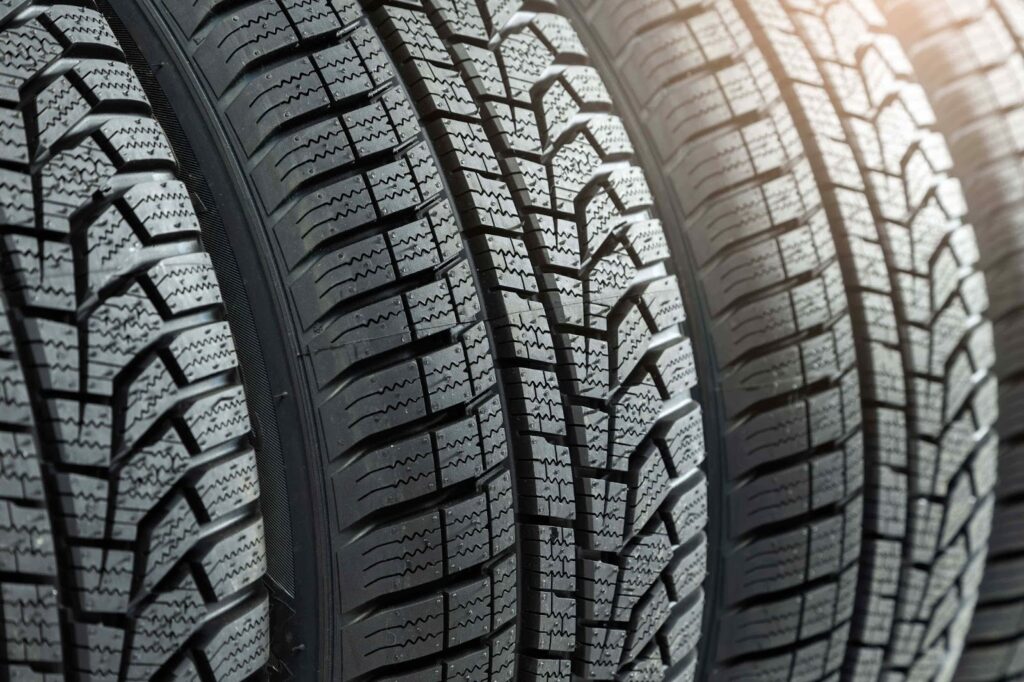
In a service, tread depth is measured across the tyre, not just at a single point. The technician also looks for cracks, bulges and cuts. If the tread is already close to the limit, you get the choice. Replace them now in a planned way or roll the dice on the MOT. Most sensible drivers choose the first option.
Suspension and Steering
Suspension and steering faults build slowly. Worn ball joints, worn bushes, leaking shock absorbers, and broken springs often show up under load or when the car is raised and inspected. Those are all things a service is designed to catch. If the garage spots a cracked spring at service time, you can book a repair. If it is only spotted at MOT time, you are dealing with an automatic fail and a car you should not drive until the job is done.
Emissions
Emissions are another growing reason for failure. An engine that has not seen fresh oil, filters or plugs for a long time will rarely burn fuel as cleanly as one that has been maintained. Servicing keeps the air and fuel systems balanced, making it far more likely your car will pass the exhaust emissions test rather than stumble over a borderline reading.
Avoiding Surprise Bills on MOT Day
Early servicing is not just about safety and pass rates. It also matters for your wallet.
When a car fails the MOT, especially on multiple items, three costs appear at once. You have the cost of the original test. You have the cost of the necessary repairs. You may also face a retest fee or at least the hassle of another appointment. If one of the failures is classed as dangerous, you might need recovery or a tow.
Now compare that with servicing a few weeks in advance. The garage finds a couple of tyres close to the limit, front pads low, and a damp brake pipe. You have time to choose priorities. Maybe you do tyres this week, brakes week after, pipe with the next pay cheque. By the time the MOT comes round, those risk areas have been cleared. Your spending is spread out and predictable, instead of dumped on you in one stressful day.
What this really means is that early servicing changes the cost pattern from emergency to planned maintenance. You stay in control instead of being backed into a corner by a failure sheet.
Safety and Reliability Before and Beyond the MOT
Most people think about MOTs once a year, then forget about them. But the condition of the car matters every time you drive it, not just on test day.
Servicing before the MOT sharpens the safety margin. The brakes are working efficiently. Steering and suspension are tight and predictable. Tyres grip properly in the wet. Lights make you see and help you see. Fluids are at the right levels, so cooling, braking and power steering systems do not let you down on a hot day or a long trip.
There is also the simple reliability side. A serviced car is less likely to leave you stranded on the hard shoulder or blocking a junction when an old battery or neglected part finally gives up. While that may not appear directly on the MOT sheet, it is part of the same story. A car kept in good order is safer for you and everyone around you.
When Should You Service Your Car Before the MOT?
The timing does not need to be complicated. A good rule of thumb is to have your service done around three to six weeks before the MOT is due. That gives the workshop time to do a full inspection, report any developing issues and book in further work before the test.
You can also take advantage of the rule that allows you to have your MOT up to one month minus a day before the expiry date and still keep the same renewal anniversary. For example, if your MOT runs out on 30 June, you can book the test from 1 June onwards and carry the same date into next year.
A smart routine looks like this. Service towards the end of May. Fix any issues in early June. Put the car in for the MOT mid-June. If anything small still appears on the test, you have breathing space to handle it without falling outside your expiry date.
How a Trusted Garage Makes Early Servicing Work
Early servicing delivers its full benefits only when you have a garage you trust to do a thorough job and provide honest advice. You are relying on them to flag genuine safety and MOT issues, not to create work for its own sake.
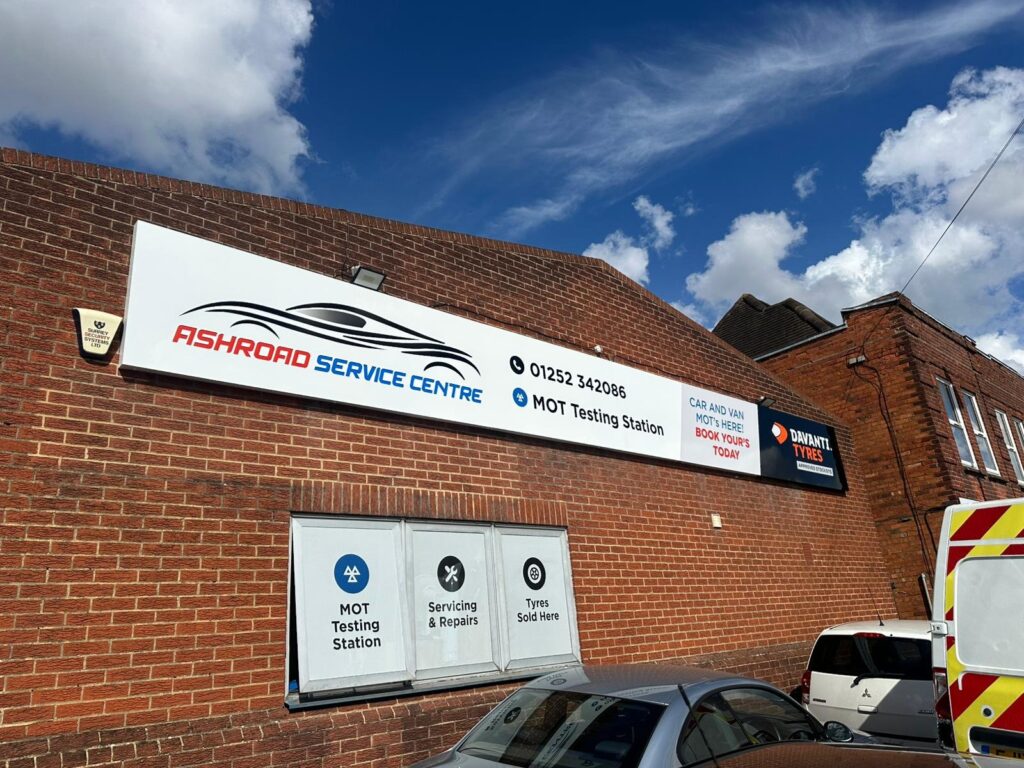
For drivers who want that kind of relationship, a local specialist such as Ash Road Service Centre can make a real difference. By combining routine servicing with clear explanations and sensible repair recommendations, they help their customers approach MOT tests with confidence rather than anxiety. A technician who knows your car, its history, and its typical wear patterns can often warn you months in advance that certain parts will be due before the next test, keeping everything predictable.
The result is not just a better MOT pass rate. It is a car that feels well cared for year-round, not just on the day it meets the tester.
FAQ’s
Do I have to service my car before the MOT?
No, it is not a legal requirement. However, skipping servicing increases the risk of failure, higher costs and safety problems. Think of servicing as insurance against MOT drama.
Can I do the MOT and service on the same day?
You can, and many garages offer combined bookings. The downside is that if the MOT finds serious faults, the day becomes long and potentially expensive. Servicing a little earlier gives you more control.
Is an interim service enough before the MOT?
For low-mileage or newer cars, an interim service might be fine, especially if you had a full service the previous year. For older or higher-mileage vehicles, a full service before the MOT provides greater protection.
What if my car seems fine anyway?
Many MOT failures stem from faults drivers cannot detect: uneven tyre wear, internal corrosion in brake pipes, weak shock absorbers, or emissions issues. The car may appear normal until it fails the test. Servicing looks under the surface.
Final Thoughts
When you pull it all together, the benefits of early servicing before an MOT test are clear.
You give yourself a better chance of passing first time. You turn surprise repair bills into planned work. You improve the safety and reliability of your car, not just for test day but for every journey. You reduce the risk of dangerous failures, retests, and being stranded without transport. And you build a service history that shows your car has been looked after properly.An MOT is a legal checkpoint. Early servicing is how you prepare for it like a professional. Early servicing is how you prepare for it like a professional. Ready for expert MOT prep? Visit our location in Aldershot today for more detail or call us.
“To explore how these concepts apply in a broader professional context, you can find additional expert insights and resources in this informative blogging platform.