Stress doesn’t always show up as a full-blown meltdown. Sometimes it shows up as a “tiny” habit you can’t stop. A rough patch on your scalp. A spot on your cheek you keep checking in the bathroom mirror. A few hairs you twist and tug when you’re reading emails or stuck in traffic.
And the confusing part is this. You can be doing fine on paper. Work is moving. No major crisis. You’re functioning. Yet your body keeps reaching for the same little loop: scan, pick, pull, relief, regret, repeat.
Skin-picking and hair-pulling often live in that space. They can be stress in disguise, wrapped up in control, sensory soothing, and a nervous system that’s quietly overloaded.
Stress in disguise: why “control loops” feel so convincing
What skin-picking and hair-pulling really are
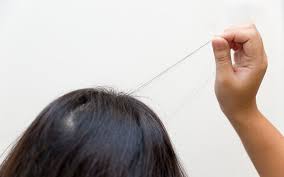
Skin-picking (excoriation) and hair-pulling (trichotillomania) are often grouped as body-focused repetitive behaviors (BFRBs). That label can sound clinical, but it’s basically this: repetitive grooming actions that go past “normal,” feel hard to resist, and start causing harm or distress.
Some people do it automatically, like their hands move before their brain catches up. Others do it more intentionally, like “I’ll just fix this one bump,” and then 25 minutes disappear.
If you’re thinking, “So is it a bad habit or a mental health thing?” the honest answer is both. It can start like a habit and turn into something that feels compulsive.
The control loop you didn’t sign up for
Here’s the loop, in plain language.
You feel a flicker of discomfort. It could be anxiety, boredom, pressure, shame, sensory itchiness, or just plain overstimulation. Your brain wants a quick off switch. Picking or pulling gives you a short burst of relief. It’s concrete. It’s immediate. It’s something you can “do.”
That’s why it can feel like control, even when it’s doing the opposite.
And here’s the mild contradiction that trips people up: it can feel soothing and stressful at the same time. You do it to calm down, then you feel worse afterward. Both can be true.
The digital stress pipeline: doomscrolling, comparison spirals, cortisol culture
Why your nervous system feels “online” even when you log off
A lot of people blame themselves for lacking discipline. But your phone is built to keep you scanning. Scanning is not neutral. It’s a threat-detection mode in a nicer outfit.
Doomscrolling keeps your body in a low-grade alert state. Even if you’re not scared, you’re keyed up. Your eyes are moving fast. Your attention keeps switching. Your brain keeps asking, “What next?”
That kind of stimulation can leave you restless and jittery. Then your body looks for a physical release. Cue the control loop.
Comparison spirals create invisible pressure
Comparison hits differently than obvious stress because it doesn’t announce itself. It sneaks in as small thoughts:
- “Everyone is doing better than me.”
- “I’m behind.”
- “Why can’t I get it together?”
If you’re stuck in that headspace, your body often tries to self-regulate through repetitive motion. Twisting hair. Checking skin. Squeezing a blemish. These aren’t random. They’re regulatory attempts.
People talk about “cortisol culture” like it’s a meme, but the vibe is real. Hustle, glow-ups, hyper-optimization, constant self-fixing. If your brain already leans toward control, skin and hair become an easy target. They’re right there. You can “work” on them. You can chase a feeling of done.
What the loop looks like day to day (and why it escalates)
The cues are usually earlier than you think
Most people notice the damage, not the trigger. But there are early signals. Look for patterns like:
- You start scanning your skin the moment you’re alone
- Your hand goes to your scalp during meetings or scrolling
- Bright bathroom lighting turns into “inspection time”
- You pick more when you’re tired, hungry, or wired on caffeine
- You feel a specific kind of relief right after, like a pressure drop
You’re not “weird” for this. Your brain is doing pattern matching and reinforcement. Relief teaches repetition.
If you want a quick self-check, ask: “What was I feeling 30 seconds before my hand moved?” That’s the moment that matters.
The environment matters more than motivation
You can have strong willpower and still lose to the setup. Certain environments feed the loop:
- Mirrors you linger in
- Harsh lighting
- Long, unstructured screen time
- Working alone with no interruptions
- High-pressure tasks that make you freeze
You know what? Sometimes boredom is the biggest trigger, not stress. Boredom can feel like trapped energy. Picking and pulling turns that energy into action.
If this is showing up alongside substance use, or you notice you’re using alcohol, weed, or pills to “come down” after a stressful day, it can help to get support that treats the full picture, not just one symptom. Programs that integrate mental health and addiction support can matter here, like Addiction and Mental Health Treatment.
Practical boundaries that don’t rely on “just stop”
Make the loop harder to start, not harder to resist
Most advice fails because it starts too late. It kicks in after you’re already in the loop.
Try changing the friction points earlier:
- Put a pair of tweezers and nail tools out of reach (not on the counter)
- Move “inspection mirrors” out of the strongest lighting area
- Wear a thin layer like a hoodie or long sleeves during high-trigger times
- Keep your hands busy during scrolling (stress ball, fidget ring, putty)
- Use phone settings that reduce visual intensity (grayscale, focus modes)
This is not about being perfect. It’s about making “automatic” less automatic.
Replace the sensation, not the behavior
A lot of people pick for sensory reasons. There’s an itch, a rough patch, a satisfying “pop,” a feeling of clearing something out. If that’s you, swapping in a new action that scratches the same sensory itch can help.
Examples that people actually stick with:
- Pressing fingertips together and holding pressure for 10 seconds
- Running hands under warm water, then cool water
- Applying a thick moisturizer and massaging it in slowly
- Using a textured object while you watch TV
If your main driver is anxiety or panic, the replacement needs to calm your body, not just occupy your hands. Slow exhale breathing, a short walk, or even a quick “reset playlist” can work better than forcing distraction.
If stress is also tied to substance use or withdrawal cycles, getting structured help can make these habits easier to manage because your baseline steadies. A program like NJ Drug Addiction Rehab can be one route when substances are part of the picture, and you want real support, not lectures.
When therapy helps (and what “outpatient” actually looks like)
You don’t need to hit rock bottom to get help
A lot of people wait because they think it has to be severe. But “severe” is not the only threshold. Therapy makes sense when:
- You’re getting injuries, bald spots, scabs, or infections
- You hide it, cancel plans, or avoid bright lighting
- You lose time and feel stuck in a trance
- Stress spikes and the behavior spikes with it
- Shame is starting to run your day
Also, if you’re dealing with intrusive thoughts, intense anxiety, depression, or trauma history, BFRBs can hitch a ride on those patterns. Treating the underlying load often reduces the urge.
What approaches work for compulsive-feeling patterns
You’ll hear a lot of therapy names. Here are the ones that often show up for BFRBs and compulsive loops:
- Habit Reversal Training (HRT): builds awareness + a competing response
- ComB (Comprehensive Behavioral model): maps your triggers (sensory, cognitive, emotional, environmental)
- CBT: helps with the thought spirals and perfectionist “fix it” mindset
- DBT skills: helps with distress tolerance when urges spike
- ACT: helps you stop wrestling with urges and start choosing actions that match your values
Outpatient care can mean weekly therapy, group therapy, or an intensive outpatient program (IOP) that meets several times a week while you keep your normal life. It’s structured, but you sleep at home. That structure can be a game-changer when your patterns feel bigger than “tips.”
And if substance use is wrapped into the same stress loop, a treatment center that supports addiction recovery can help you stabilize the whole system. For New Jersey support specifically, Drug addiction Treatment in New Jersey is one option people look into when they want a program, not just a pep talk.
A quick reality check before you blame yourself
These behaviors often sit at the intersection of biology, stress, and habit learning. That’s why shame doesn’t fix them. Shame usually fuels them.
If you want a simple way to think about progress, try this:
- Less scanning
- Less time in the loop
- Faster recovery after a slip
- More honest awareness of triggers
That’s real progress. Not perfection.
If you’re dealing with wounds, infection, or thoughts of self-harm, it’s important to get professional support quickly. But even without a crisis, you still deserve support. These loops are common, treatable, and way more connected to stress overload than most people realize.