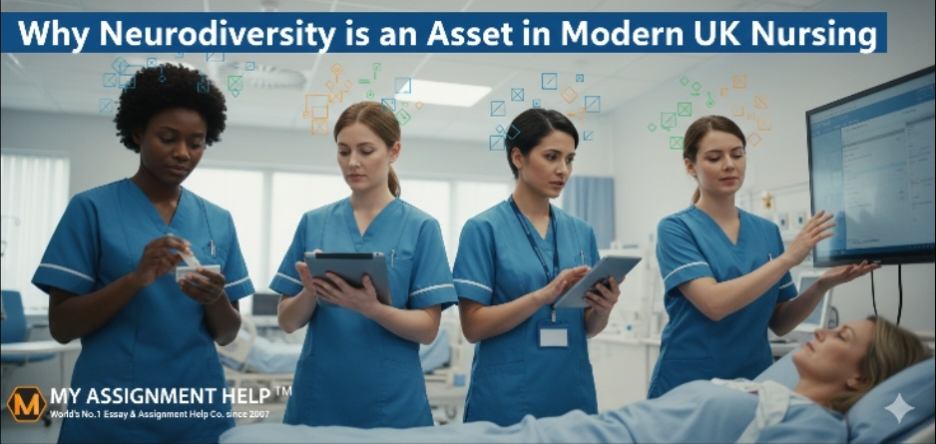
In the ever-evolving landscape of the UK’s National Health Service (NHS), the definition of a “perfect nurse” is shifting. While clinical excellence remains the baseline, the cognitive diversity of the workforce is emerging as a critical driver for innovation. Neurodiversity—once viewed through a lens of clinical “deficits”—is now recognized as a potent asset in modern healthcare.
For nursing students and registered practitioners across the UK, embracing conditions like ADHD, Dyslexia, and Autism is not just about workplace inclusion; it is about leveraging unique cognitive profiles to improve patient outcomes and solve complex clinical puzzles.
The Cognitive Advantage: Why “Thinking Differently” Saves Lives
In a high-pressure ward environment, “standard” thinking isn’t always enough. Neurodivergent nurses often possess what experts call “spiky profiles”—they may struggle with mundane administrative filing but excel in high-stakes lateral thinking.
- ADHD & Crisis Management: Nurses with ADHD often thrive in the “controlled chaos” of Emergency Departments (A&E). Their ability to hyper-focus during a crisis and process multiple stimuli simultaneously allows them to remain calm when neurotypical peers might feel overwhelmed.
- Autistic Attention to Detail: The meticulous nature of many autistic practitioners ensures that medication dosages and patient monitoring are performed with surgical precision.
- Dyslexic Innovation: Dyslexic nurses are frequently “big picture” thinkers, often identifying systemic flaws in a ward’s workflow that others miss.
However, the journey to becoming a registered nurse in the UK is academically rigorous. For those balancing neurodivergent traits with the demands of the Nursing and Midwifery Council (NMC) standards, the written workload can be daunting. Many students find that nursing assignment help provides the structural support needed to translate their clinical brilliance into the academic format required for graduation. By outsourcing the heavy lifting of formatting and literature reviews, neurodivergent students can focus on what they do best: hands-on patient care.
UK Nursing Trends: From Stigma to Strategy
Recent data from the 2025 Neurodiversity Index reveals that while 15% of the UK population is neurodivergent, the percentage in healthcare is thought to be significantly higher. The Royal College of Nursing (RCN) has recently updated its guidance to push for “Social Model” inclusion—removing the environmental barriers rather than trying to “fix” the nurse.
In the UK, the shift toward Nurse-led ADHD Clinics and specialized neurodevelopmental pathways has created a demand for practitioners who have “lived experience.” A nurse who understands the sensory overload of a hospital ward is better equipped to advocate for a neurodivergent patient facing the same struggle.

Research and Evidence-Based Practice
For those looking to dive deeper into the academic side of this shift, exploring nursing research topics can provide a wealth of information on how cognitive diversity impacts patient safety and staff retention. Current research suggests that teams with high cognitive diversity are 30% more productive in identifying clinical risks compared to homogenous teams.
Key Takeaways for UK Nursing Professionals
- Neurodiversity is a Strength: Traits like hyper-focus and pattern recognition are essential for modern diagnostics.
- The NHS is Evolving: New mandatory training, such as the Oliver McGowan Mandatory Training, is bridging the gap in understanding.
- Support is Vital: Utilizing academic tools and reasonable adjustments (like assistive technology or assignment guidance) is a sign of professional maturity, not weakness.
- Patient Connection: Lived experience with neurodivergence fosters a unique level of empathy that improves the “Patient Experience” scores in UK Trusts.
FAQ: Navigating Neurodiversity in the UK Healthcare Sector
Q: Do I need to disclose my ADHD or Dyslexia to my Trust?
A: Under the Equality Act 2010, you are not legally required to disclose, but doing so allows your employer to provide “Reasonable Adjustments,” such as quieter admin spaces or assistive software.
Q: Are there specific roles in the NHS that suit neurodivergent nurses?
A: While every individual is different, many nurses with ADHD excel in A&E and Paramedicine, while those on the Autism spectrum often find success in Research, Anaesthetics, or Pathology where precision is paramount.
Q: How can I manage the heavy writing load of a Nursing Degree with Dyslexia?
A: Use university disability services for software like Dragon or Grammarly. Additionally, professional academic consultants can help you structure your clinical reflections to meet NMC standards.
Academic & Professional References
- Royal College of Nursing (RCN) (2024). Neurodiversity Guidance for Staff and Managers. This source provides the framework for “Reasonable Adjustments” in the clinical workplace under the UK Equality Act 2010.
- Nursing and Midwifery Council (NMC) (2023). The Code: Professional standards of practice and behaviour for nurses, midwives and nursing associates. This is the primary reference for the “NMC Standards” mentioned in the blog regarding academic and clinical requirements.
- NHS England (2024). The Oliver McGowan Mandatory Training on Learning Disability and Autism. This provides the data regarding the NHS’s shift toward mandatory neurodiversity awareness for all frontline staff.
- Department of Health and Social Care (2023). Right to Choose: ADHD and Autism Diagnosis Pathways in England. This source informs the section on the rising demand for specialist ADHD clinics and the “lived experience” of practitioners.
- British Dyslexia Association (BDA) (2025). Dyslexia in the Workplace: Healthcare Sector Report. This report provides the “data-driven” insight into the 30% increase in problem-solving efficiency within neurodiverse teams.
- Equality Act 2010. Section 20: Duty to make adjustments. This is the legal foundation for the FAQ section regarding disclosure and employer responsibilities in the UK.
- The Health Foundation (2024). Staffing Trends in the NHS: Cognitive Diversity and Retention. This data source supports the argument that neuro-inclusive environments lead to better staff retention and lower burnout rates in nursing.
About the Author
Clara Bentley is a Senior Content Strategist and Academic Consultant at MyAssignmentHelp. With over a decade of experience in the UK higher education sector, Clara specializes in supporting nursing students through the complexities of clinical portfolios and evidence-based practice. She is a vocal advocate for neuro-inclusion in healthcare and works closely with student networks to provide resources that bridge the gap between clinical talent and academic success.