Self-retaining retractors are among the most critical surgical instruments in any modern operating theatre. Unlike handheld retractors, self-retaining retractors maintain wound exposure without continuous assistance, enabling surgical teams to focus on precision, efficiency, and safety. For hospitals and clinics, choosing the right self-retaining retractors can dramatically improve surgical outcomes, reduce procedure times, and enhance overall workflow.
In this comprehensive buying guide, we will walk through everything healthcare facilities need to consider when selecting self-retaining retractors, including types, mechanisms, key features, sterilization compatibility, materials, and ergonomic design.
Explore a range of high-quality surgical retractors at Grey Medical
Understanding Self-Retaining Retractors
Self-retaining retractors are surgical devices engineered to hold incisions or surgical sites open without the continuous involvement of a surgical assistant. They use locking mechanisms, ratchets, or adjustable arms to maintain tension, enabling surgeons to operate with unobstructed views and hands-free stability.
These instruments are indispensable in procedures that require:
- Deep tissue exposure
- Prolonged incisions
- Internal organ manipulation
- Multilayer surgical access
Self-retaining retractors are widely used in general surgery, orthopedic surgery, plastic surgery, neurosurgery, gynecologic procedures, and trauma surgery.
Why Self-Retaining Retractors Matter in Surgical Practice
When evaluating surgical instruments, it’s essential to recognize the value that high-quality self-retaining retractors bring to clinical settings:
Enhanced Surgical Visibility
These retractors hold tissues apart consistently, giving surgeons a clear and stable surgical field throughout the procedure.
Hands-Free Operation
By securing incisions independently, they free up surgical assistants, allowing staff to allocate manpower where it is most needed.
Improved Efficiency
Consistent retraction reduces the risk of tissue collapse into the surgical site, which can speed up procedures and reduce operative delays.
Reduced Fatigue
Manual retraction can be physically exhausting. Self-retaining instruments eliminate strain by maintaining tension without manual force.
Types of Self-Retaining Retractors
There are several categories of self-retaining retractors designed for specific clinical applications. Knowing the differences helps in selecting instruments tailored to procedural needs.
1. Spring-Loaded Self-Retaining Retractors
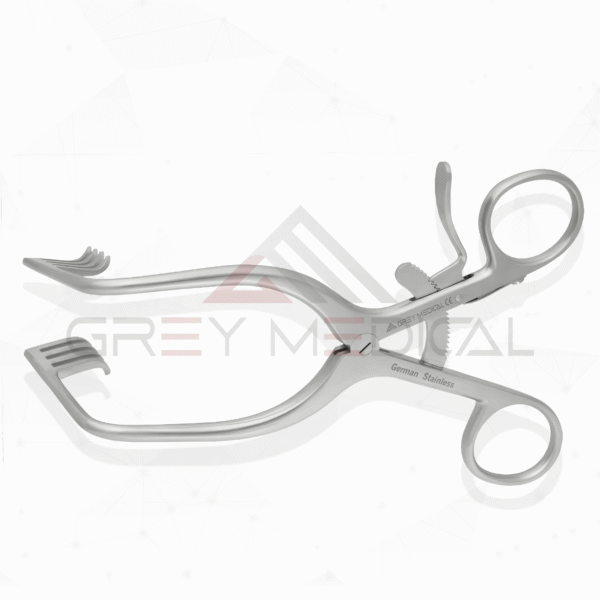
These devices use tension springs or ratchets to hold the blades apart. They are commonly used in soft tissue surgeries and small cavity exposures.
Advantages:
- Easy to apply and retract
- Adjustable tension
- Suitable for superficial or moderate exposure
Common examples: Weitlaner retractors, Gelpi retractors
2. Ratchet-Lock Retractors
Ratchet-lock mechanisms provide firm locking and are useful in procedures requiring prolonged and stable retraction.
Advantages:
- Firm hold with adjustable spread
- Ideal for deeper surgical sites
- Reliable locking mechanism
Examples: Balfour retractors, Finochietto retractors
3. Frame or Arm-Based Retractors
These systems include stands or arms that can be adjusted and locked in place. They are especially useful in orthopedic and abdominal surgery.
Advantages:
- Excellent versatility and reach
- Stable support for extensive procedures
- Useful in collaborative multi-team surgeries
Key Features to Look for When Buying
Selecting the right self-retaining retractors involves more than picking the most expensive option. Attention to detail ensures durability, safety, and performance.
High-Quality Stainless Steel Construction
The best retractors are fabricated from medical-grade stainless steel, which ensures:
- Corrosion resistance
- Sterilization compatibility
- Long-term durability
- Maintained structural integrity
Invest in retractors that withstand repeated autoclave cycles without corrosion or deformation.
Reliable Locking Mechanism
The locking mechanism should be strong, smooth, and designed to prevent accidental release. A secure lock enhances safety and ensures continuous retraction throughout the procedure.
Ergonomic Design
Self-retaining retractors should be easy to deploy and adjust without straining. Smooth edges, comfortable grips, and balanced weight improve usability, especially during extended surgeries.
Adjustable Blade Spread
Retractors with adjustable blade width provide versatility across multiple surgical scenarios. This feature allows surgeons to tailor instrumentation based on tissue type, depth, and exposure needs.
Compatibility With Sterilization Methods
Ensure that retractors are compatible with standard sterilization methods, including:
- Autoclaving
- Chemical sterilization
- Low-temperature sterilization (for sensitive instruments)
High-grade surgical retractors should maintain performance after repeated sterilization cycles without warping or dulling.
How to Choose the Right Self-Retaining Retractors for Your Facility
When purchasing self-retaining retractors for hospitals and clinics, evaluate the following:
Surgical Specialties Served
Different surgical departments may require specific retractor designs—orthopedics demands heavier and deeper exposure instruments, while plastic surgery may need more delicate, fine-point retractors.
Procedure Frequency
Facilities with high surgical volumes benefit from durable, easy-to-maintain retractors that withstand frequent use and sterilization.
Staff Expertise
Consider training level and user comfort. Some advanced retractor systems require familiarity with locking mechanisms and deployment techniques.
Budget and Long-Term Value
Rather than short-term cost savings, prioritize instruments that deliver durability, reduced maintenance, and consistent performance.
Top Self-Retaining Retractors Worth Investing In
Below are some essential self-retaining retractors that every hospital and clinic should consider:
Weitlaner Self-Retaining Retractor
A classic instrument with sharp or blunt prongs and a secure ratchet lock. Excellent for superficial tissue retraction.
Gelpi Self-Retaining Retractor
Features sharp, single-pin prongs that provide gentle but firm tissue separation. Often used in orthopedic and general surgery.
Balfour Abdominal Retractor
Ideal for abdominal surgeries, featuring a broad frame and adjustable blade spread for deep tissue exposure.
Finochietto Rib Spreader
Specialized retractor used in thoracic surgery to separate ribs with controlled expansion.
Maintenance and Sterilization Best Practices
To ensure longevity and safety, self-retaining retractors must be maintained and sterilized correctly:
Immediate Postoperative Cleaning
Rinse instruments immediately after use to remove blood and tissue residue before they dry.
Use of Enzymatic Cleaners
Employ enzymatic solutions to break down organic material.
Manual Brushing
Clean all joints and moving parts thoroughly to avoid buildup in locking mechanisms.
Autoclave Sterilization
Follow manufacturer recommendations for autoclave cycles, including temperature and pressure settings.
Regular Inspection
Regularly check retractors for signs of wear, corrosion, or joint looseness to avoid instrument failure during surgery.
Why Quality Matters for Hospitals & Clinics
Hospitals and clinics must prioritize quality when selecting surgical instruments. High-quality self-retaining retractors provide:
Surgical Precision
Reliable retraction ensures surgeons maintain the best possible visual and physical access to the operative field.
Enhanced Patient Safety
Sturdy and well-designed instruments reduce the risk of tissue damage, accidental disengagement, or surgical delays.
Reduced Operating Time
Efficient retraction minimizes procedural drag and improves workflow, saving valuable operating room time.
Long-Term Cost Savings
Though higher upfront cost may seem significant, quality instruments reduce replacement frequency and maintenance costs over time.
Where to Purchase High-Quality Self-Retaining Retractors
Trusted medical equipment suppliers and manufacturer-direct websites are the best sources for purchasing surgical retractors. They offer certified, high-performance instruments that comply with medical standards.
For a selection of premium surgical instruments, including self-retaining retractors, visit Grey Medical